Keyseaters are also known as keyway broaching machines, keyway cutters and keyseat cutters. They are a subcategory of internal broaching, which is a specific type of broaching that puts a hole from one surface side of a material through to the other side of the material, unlike blind broaching, which only involves surface work. Read More…
At Mercury Broach Co., Inc., we specialize in delivering precision broaching services tailored to meet the demanding specifications of today’s manufacturers. With decades of experience and a deep commitment to craftsmanship, we’ve built a reputation for producing high-accuracy internal and external broached components across a wide range of industries.
At T-Tygart Industries, Inc., we specialize in precision broaching that delivers uncompromising quality and consistency. With decades of experience under our belts, we’ve built our reputation on manufacturing broached components that meet the tightest tolerances and the most demanding specifications. Our in-house capabilities allow us to perform internal, external, surface, and form broaching...
As a leading broaching company in the world, we do it all. We offer services to customers in every industry. We believe in offering superior service, a commitment to quality, and dedication to customers every day they work with us. Our goal is to ensure you can build a trusting relationship with us throughout your years in business. Learn more when you visit our website today!

More Keyseater Companies
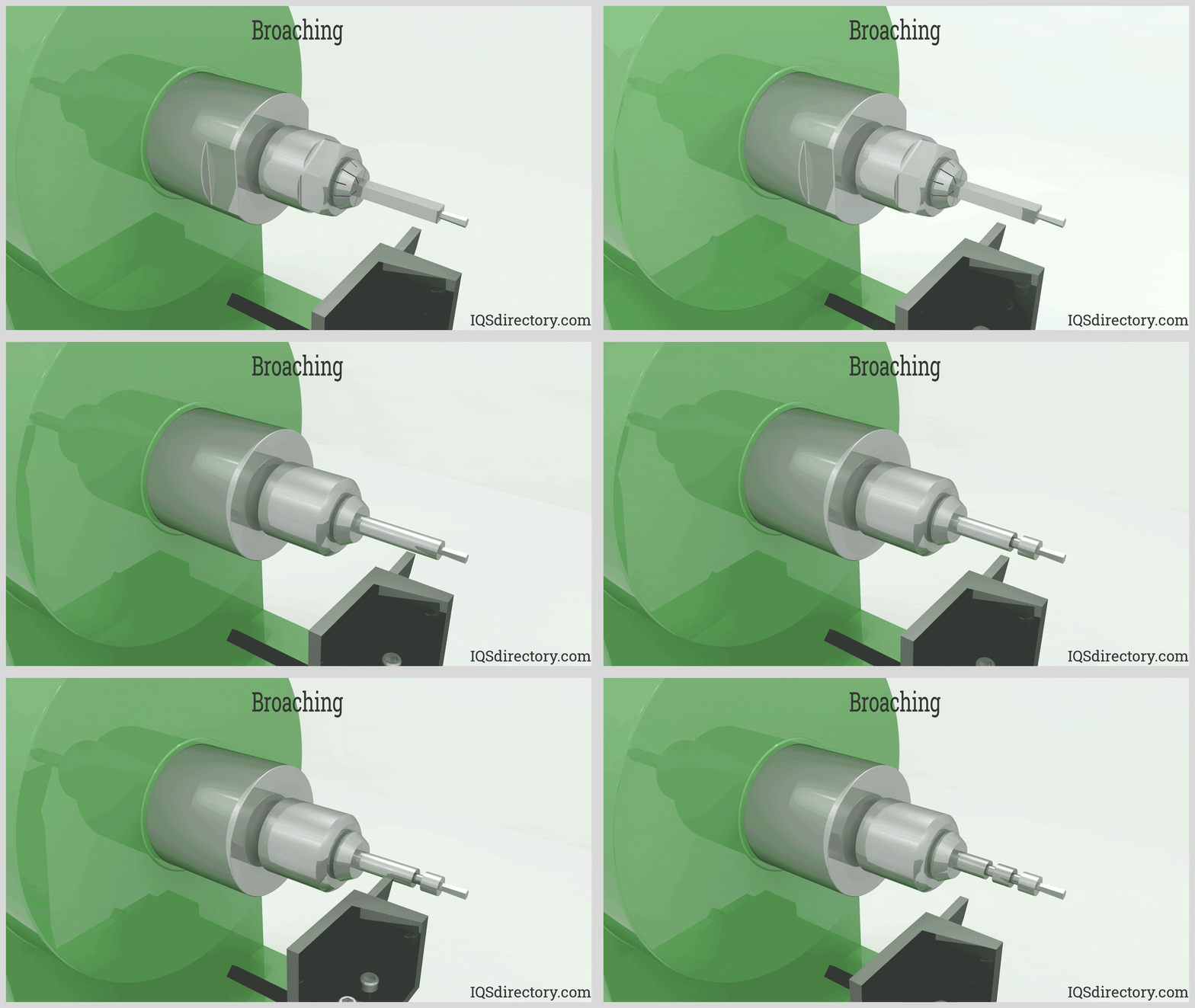
These machines function by way of a topside support and guiding system, which ensures that the cuts are clean and precise. The cut comes from below the work-piece and cuts on the down stroke. The guiding system, usually a vise or clamp, keeps the material in place, and is either fed through the cutter manually, if the table is permanent, or if the table is moveable this happens automatically.
The piece being cut moves horizontally, while the keyseater cutter moves vertically. Although keyseaters are best known for cutting key holes, they are also capable of making other cuts, including cuts that do not fully penetrate. Examples of other products are tools like wrenches, fasteners and bushings.
The materials keyseaters commonly pierce through are metal, wood and plastic. Keyseating machines are almost always CNC run machines. Any object that has a lock requires the skills and operations of a keyseater.
Because of the varied materials that keyseaters must cut through, the material that they are made out of must be equally tough, if not more so. Diamond, cobalt, carbide and steel are all common materials for keyseaters, the first three being particularly effective for high speed machines. Coating is another necessity for keyseating machines, since the material is not about being corrosive resistant but doing the best job of keyseating consistently.
Therefore, coating processes such as anodizing, plasma spraying, ion plating, thermal spraying and electroless plating all increase the tool's hardness and resistance to abrasion, as well as making them sleeker. All of these characteristics contribute to the workable life of the keyseater.
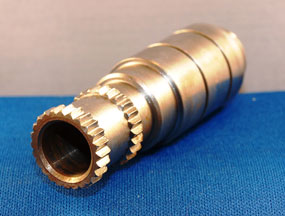 Broaching
 CNC Machining
 Expanded Metals
 Laser Cutting
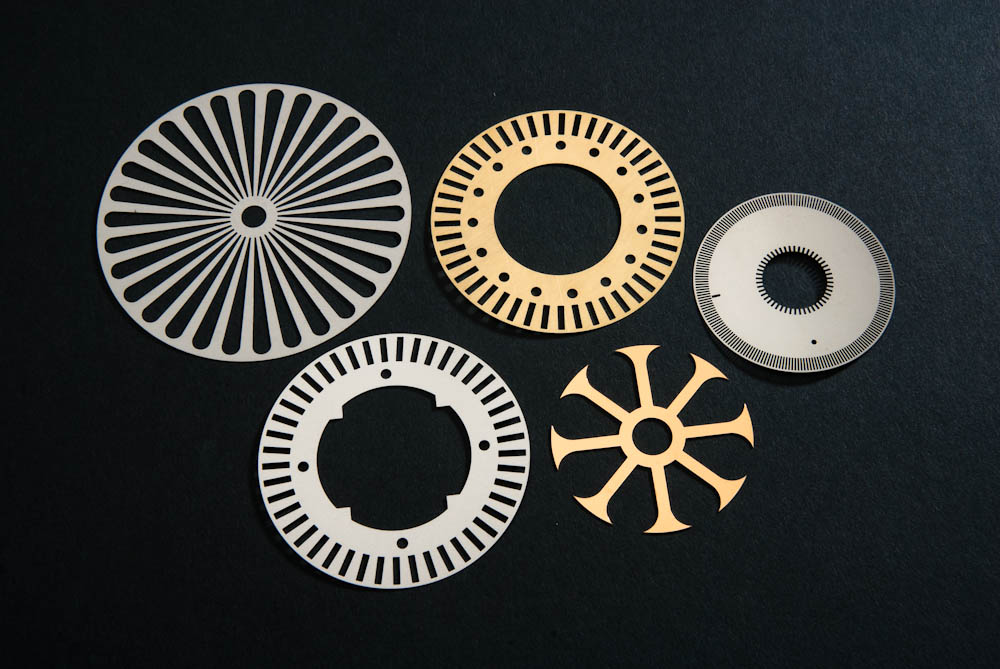 Metal Etching
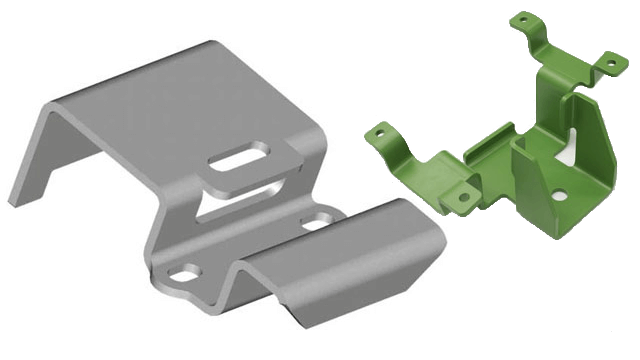 Metal Fabrication
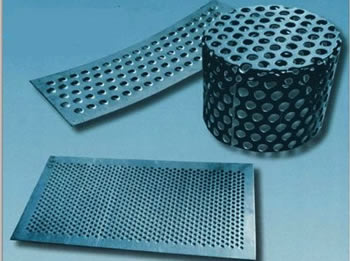 Perforated Metals
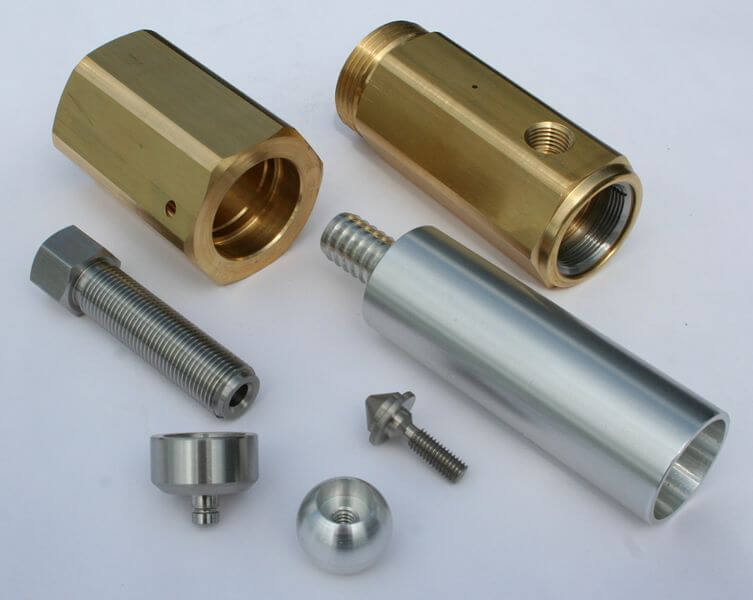 Screw Machine Products
 Metal Stampings
 Sheet Metal Fabrication
 Tube Fabrication
 Water Jet Cutting
 Castings & Forgings
 Bulk Material Handling
 Electrical & Electronic Components
 Flow Instrumentation
 Hardware
 Material Handling Equipment
 Metal Cutting Services
 Metal Forming Services
 Metal Suppliers
 Motion Control Products
 Plant & Facility Equipment
 Plant & Facility Supplies
 Plastic Molding Processes
 Pumps & Valves
 Recycling Equipment
 Rubber Products & Services